
The Importance of a Home Inspection Before Buying

home inspection before buying

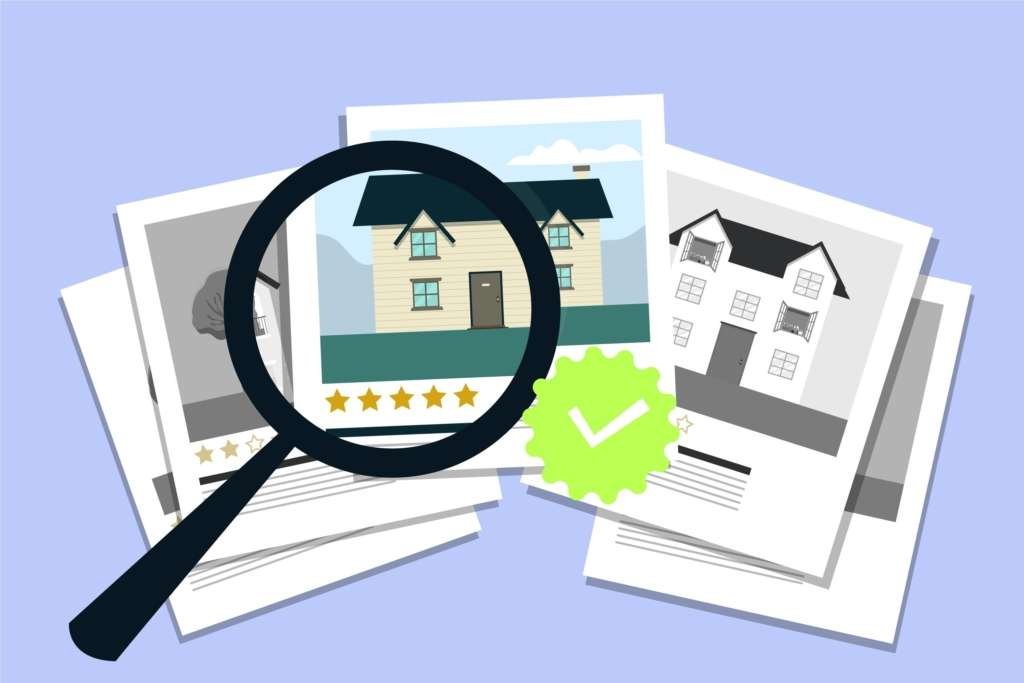
When considering buying a new home, it is essential to understand the importance of a home inspection. A home inspection can provide valuable insight into the condition of the home, including potential problems and necessary repairs. In this article, we will discuss the importance of a home inspection before buying and what to expect during the process.

What is a Home Inspection?

A home inspection is a comprehensive assessment of a property’s condition, including its structure, plumbing, electrical systems, and more. It is typically conducted by a licensed home inspector and involves a visual examination of the home’s interior and exterior, including the roof, walls, foundation, and other components. A home inspection can help identify any issues or deficiencies that may affect the home’s value, safety, and livability.

Why is a Home Inspection Important?

A home inspection is important for several reasons. First, it can provide valuable information about the home’s condition, which can help buyers make informed decisions about whether to proceed with the purchase. Second, a home inspection can identify any potential safety hazards, such as electrical or plumbing issues, that could pose a risk to the occupants. Third, a home inspection can help buyers negotiate with the seller for necessary repairs or a lower purchase price.

What to Expect During a Home Inspection

During a home inspection, the inspector will evaluate the home’s condition and identify any issues or deficiencies. The inspection typically takes 2-3 hours to complete, depending on the size and complexity of the home. The inspector will examine the following areas:

Exterior

The inspector will examine the exterior of the home, including the roof, gutters, chimney, siding, and foundation. They will look for any signs of damage or wear, such as cracks, leaks, or missing shingles.

Interior

The inspector will evaluate the interior of the home, including the walls, ceilings, floors, and windows. They will look for any signs of damage, such as cracks or water stains.

Plumbing

The inspector will examine the plumbing system, including the water heater, pipes, and fixtures. They will look for any leaks, corrosion, or other issues.

Electrical

The inspector will evaluate the electrical system, including the wiring, outlets, and circuit breaker. They will look for any safety hazards, such as exposed wires or overloaded circuits.

HVAC

The inspector will examine the heating, ventilation, and air conditioning (HVAC) system. They will look for any issues, such as dirty filters or malfunctioning components.

Sell or Rent Home In Bangalore

How to Choose a Home Inspector

When choosing a home inspector, it is important to select someone who is licensed and experienced. Look for an inspector who is a member of a professional organization, such as the American Society of Home Inspectors (ASHI) or the International Association of Certified Home Inspectors (InterNACHI). Ask for references and check online reviews to ensure you select a reputable inspector.

Conclusion:

In conclusion, a home inspection is a crucial step in the home buying process. It can provide valuable information about the home’s condition, safety, and value, helping buyers make informed decisions about whether to proceed with the purchase. By choosing a licensed and experienced home inspector, buyers can ensure a thorough evaluation of the property, identifying any potential issues or deficiencies.

FAQs:

  1. How much does a home inspection cost?
    A: The cost of a home inspection varies depending on the size and complexity of the home. On average, a home inspection costs between $300 and $500.
  2. Do I need to be present during the inspection?
    A: While it is not required, it is recommended that buyers be present during the inspection. This allows them to ask questions and gain a better understanding of the home’s condition.
  3. Will the inspector fix any issues they find during the inspection?
    A: No, the inspector’s role is to evaluate the home’s condition and identify any issues or deficiencies. It is the buyer’s responsibility to negotiate with the seller for necessary repairs or a lower purchase price.
  4. How long does a home inspection take?
    A: A home inspection typically takes 2-3 hours to complete, depending on the size and complexity of the home.
  5. Can a home inspection be waived?
    A: While it is possible to waive a home inspection, it is generally not recommended. A home inspection provides valuable information about the home’s condition and can help buyers avoid costly repairs or safety hazards.


Share:

More Posts

Enhancing Health and Well-being: Vastu Remedies for Real Estate Properties

Introduction:In the pursuit of a balanced and harmonious lifestyle, the ancient Indian science of Vastu Shastra offers valuable insights. Beyond mere architectural principles, Vastu emphasizes the connection between the built environment and human well-being. In this blog, we explore how Vastu remedies can be applied to real estate properties to promote health and overall wellness. Understanding Vastu Shastra: Brief overview of Vastu Shastra and its significance in real estate.Basic principles of Vastu relevant to health and well-being. Importance of Health-Conscious Real Estate: Impact of the built environment on physical and mental health.Rising demand for Vastu-compliant properties among health-conscious individuals. Identifying Health-related Vastu Issues: Common Vastu defects that may affect health and well-being in properties.Signs indicating Vastu disharmony in real estate spaces. Vastu Remedies for Health and Wellness: Positioning of key rooms (bedrooms, kitchen, and bathrooms) for optimal health.Selection of colors, materials, and décor to enhance well-being.Importance of natural light and ventilation in promoting good health. Balancing Energy Flow: Creating a balanced energy flow (Prana) through Vastu-based design principles.Placement of plants, water features, and mirrors to improve energy circulation. Vastu Tips for Bedrooms: Ideal bedroom layout and orientation for restful sleep and rejuvenation.Avoiding Vastu pitfalls in bedroom design to prevent health issues. Kitchen Vastu for Health: Vastu-compliant kitchen design to promote physical health and nutritional well-being.Placement of cooking appliances and storage areas for a harmonious kitchen environment. Healing Spaces: Vastu for Home Offices and Meditation Rooms: Vastu guidelines for creating conducive environments for work and meditation.Incorporating natural elements and Vastu symbols for stress reduction and mental clarity. Addressing Structural Vastu Defects: Remedies for correcting structural Vastu defects that impact health.Consultation with Vastu experts for personalized solutions. Harmonizing Indoor and Outdoor Spaces: Integration of Vastu principles in landscaping and outdoor design for overall well-being.Balancing indoor-outdoor connections to promote a sense of harmony and vitality. Conclusion:By embracing the principles of Vastu Shastra, real estate properties can become sanctuaries that nurture health, happiness, and holistic well-being. Whether designing a new space or revitalizing an existing one, incorporating Vastu remedies can create environments that support the physical, mental, and spiritual health of occupants. Let’s embark on this journey to create spaces that not only shelter us but also nourish our bodies, minds, and souls.

Creating Vacation Retreats: Vastu Shastra Tips for Buying Vacation Homes

Introduction:Dreaming of owning a vacation home where you can escape the hustle and bustle of daily life and rejuvenate your senses? Incorporating Vastu Shastra principles into your vacation home buying process can enhance the tranquility and relaxation of your retreat. In this blog, we delve into how Vastu Shastra can guide you in selecting and designing a vacation home that becomes your serene sanctuary. Understanding the Essence of Vastu Shastra: Overview of Vastu Shastra and its relevance in real estate.Introduction to Vastu principles that contribute to harmony and well-being. Importance of Vastu in Vacation Home Selection: Exploring the significance of Vastu compliance in vacation home buying decisions.Benefits of aligning the vacation home’s energy with natural surroundings. Location Selection and Orientation: Choosing a Vastu-compliant location for your vacation home amidst scenic beauty.Optimal orientation of the property to harness positive energies and maximize relaxation. Designing Relaxing Interiors: Incorporating Vastu-friendly interior design elements for a calming ambiance.Selecting soothing colors, textures, and furnishings to promote relaxation. Harmonizing Living Spaces: Vastu tips for layout and placement of living areas to encourage harmony and tranquility.Creating seamless indoor-outdoor connections for a closer bond with nature. Vastu Remedies for Ensuring Peaceful Sleep: Designing bedrooms in alignment with Vastu principles for restful sleep and rejuvenation.Placement of beds, furniture, and décor to promote relaxation and well-being. Kitchen and Dining Area Alignment: Applying Vastu guidelines to the kitchen and dining spaces for nourishment and harmony.Ensuring proper placement of cooking appliances and dining furniture for positive energy flow. Outdoor Retreat Spaces: Designing outdoor areas such as gardens, patios, and decks in accordance with Vastu principles.Creating tranquil outdoor retreats for relaxation, meditation, and connecting with nature. Incorporating Vastu Symbols and Elements: Introducing Vastu symbols, such as yantras and sculptures, to enhance positive energy flow.Utilizing natural elements like water features and greenery to promote serenity. Consultation with Vastu Experts: Importance of consulting Vastu experts during the vacation home buying process.Customizing Vastu recommendations to suit individual preferences and requirements. Conclusion:By integrating Vastu Shastra principles into the process of buying and designing vacation homes, you can create tranquil retreats that nurture your mind, body, and soul. Whether nestled in the mountains, by the sea, or amidst lush landscapes, your Vastu-compliant vacation home will serve as a sanctuary where you can unwind, recharge, and reconnect with yourself and nature. Embrace the wisdom of Vastu Shastra and embark on a journey to create your perfect oasis of relaxation and rejuvenation.

Energize Your Space: Vastu Tips for Enhancing Energy Flow Interiors

Introduction:Creating a harmonious and vibrant living or working environment goes beyond mere aesthetics; it involves optimizing the flow of energy within the space. Vastu Shastra, an ancient Indian science, offers valuable guidelines for enhancing energy flow in real estate interiors. In this blog, we’ll explore practical Vastu tips that can help you create spaces that resonate with positive energy and vitality. Understanding the Importance of Energy Flow: Introduction to Vastu’s perspective on energy flow within built environments.Significance of balanced energy (Prana) for promoting well-being and success. Clearing Clutter and Opening Pathways: Decluttering spaces to remove obstacles and allow energy to flow freely.Ensuring clear pathways and unobstructed movement within rooms. Optimal Furniture Placement: Positioning furniture in alignment with Vastu principles to facilitate energy flow.Avoiding blocking energy pathways with bulky furniture pieces. Balancing Elements: Incorporating a balance of the five elements (earth, water, fire, air, and space) in interior design.Using materials and décor items that represent each element to create harmony. Enhancing Natural Light and Ventilation: Maximizing natural light and ventilation to invigorate spaces with positive energy.Choosing window treatments that allow ample sunlight and fresh air to enter. Color Psychology in Vastu: Selecting colors based on Vastu principles to evoke specific energies and emotions.Harnessing the psychological effects of colors to create a balanced and uplifting atmosphere. Harmonizing Bedroom Energy: Applying Vastu guidelines to bedroom design for promoting restful sleep and rejuvenation.Placing the bed and other furniture in alignment with positive energy flow. Optimizing Kitchen and Bathroom Layouts: Vastu-compliant design tips for kitchens and bathrooms to enhance energy flow.Positioning cooking appliances and bathroom fixtures to prevent energy stagnation. Sacred Spaces and Altars: Creating sacred spaces or altars within the home to amplify positive vibrations.Utilizing Vastu symbols, yantras, or religious artifacts to energize these spaces. Regular Energy Cleansing Practices: Implementing regular energy cleansing rituals, such as smudging or sound cleansing.Maintaining a harmonious energy balance through meditation, prayer, or mindfulness practices. Conclusion:By incorporating these Vastu tips into your real estate interiors, you can optimize energy flow and create spaces that uplift and inspire. Whether it’s your home, office, or any other real estate property, aligning with the principles of Vastu Shastra can enhance the vitality and positivity of the environment. Embrace these guidelines and embark on a journey to energize your space for greater well-being and success.

Aligning Success: Vastu Shastra for Real Estate Agents

Introduction:In the competitive world of real estate, success often hinges not just on market knowledge and negotiation skills but also on the energy of the spaces where transactions take place. Vastu Shastra, an ancient Indian science, offers powerful insights into harmonizing environments to attract prosperity and success. In this detailed blog, we’ll explore how real estate agents can leverage Vastu principles to enhance their professional success and create positive energy in their workspaces. Understanding Vastu Shastra for Real Estate: Brief overview of Vastu Shastra and its relevance in real estate.Introduction to key Vastu principles applicable to real estate agents’ workspaces. Setting the Stage: Vastu-Compliant Office Spaces: Importance of choosing a Vastu-compliant office location for real estate agencies.Optimal office layout and orientation based on Vastu principles for positive energy flow. Enhancing Productivity with Vastu: Vastu-friendly workspace design to promote productivity and efficiency.Placement of desks, chairs, and other office furniture to align with positive energy channels. Attracting Prosperity: Vastu Tips for Reception Areas: Designing welcoming and energetically vibrant reception areas using Vastu principles.Incorporating auspicious symbols and elements to attract success and prosperity. Commanding Presence: Vastu for Conference and Meeting Rooms: Vastu guidelines for conference and meeting room layouts to empower negotiations and deal-making.Ensuring optimal seating arrangements and directional orientation for positive outcomes. Personal Success Zones: Vastu for Individual Workstations: Creating conducive workstations for real estate agents based on Vastu recommendations.Positioning desks, chairs, and electronic devices to enhance focus and productivity. Inviting Abundance: Vastu Remedies for Sales Offices: Implementing Vastu remedies to overcome obstacles and enhance sales performance.Activation of prosperity zones within sales offices to attract lucrative deals and opportunities. Harnessing Positive Energy: Vastu Symbols and Décor: Incorporating Vastu symbols and elements, such as yantras and crystals, to amplify positive energy.Utilizing artwork, plants, and color schemes in accordance with Vastu principles for vibrancy. Real Estate Marketing Materials: Vastu-Conscious Branding: Applying Vastu principles to real estate branding, marketing materials, and signage.Choosing fonts, colors, and imagery that align with positive energy vibrations. Personal Well-being: Vastu for Agents’ Personal Spaces: Extending Vastu principles to real estate agents’ personal living spaces for overall well-being.Creating harmonious environments at home to support work-life balance and mental clarity. Conclusion:By integrating Vastu Shastra principles into their workspaces and personal lives, real estate agents can align themselves with positive energy and enhance their professional success. Whether it’s optimizing office layouts, incorporating Vastu symbols, or fostering a balanced work-life environment, embracing Vastu can empower agents to thrive in the competitive real estate industry. Embrace these Vastu tips and embark on a journey to elevate your success as a real estate professional.