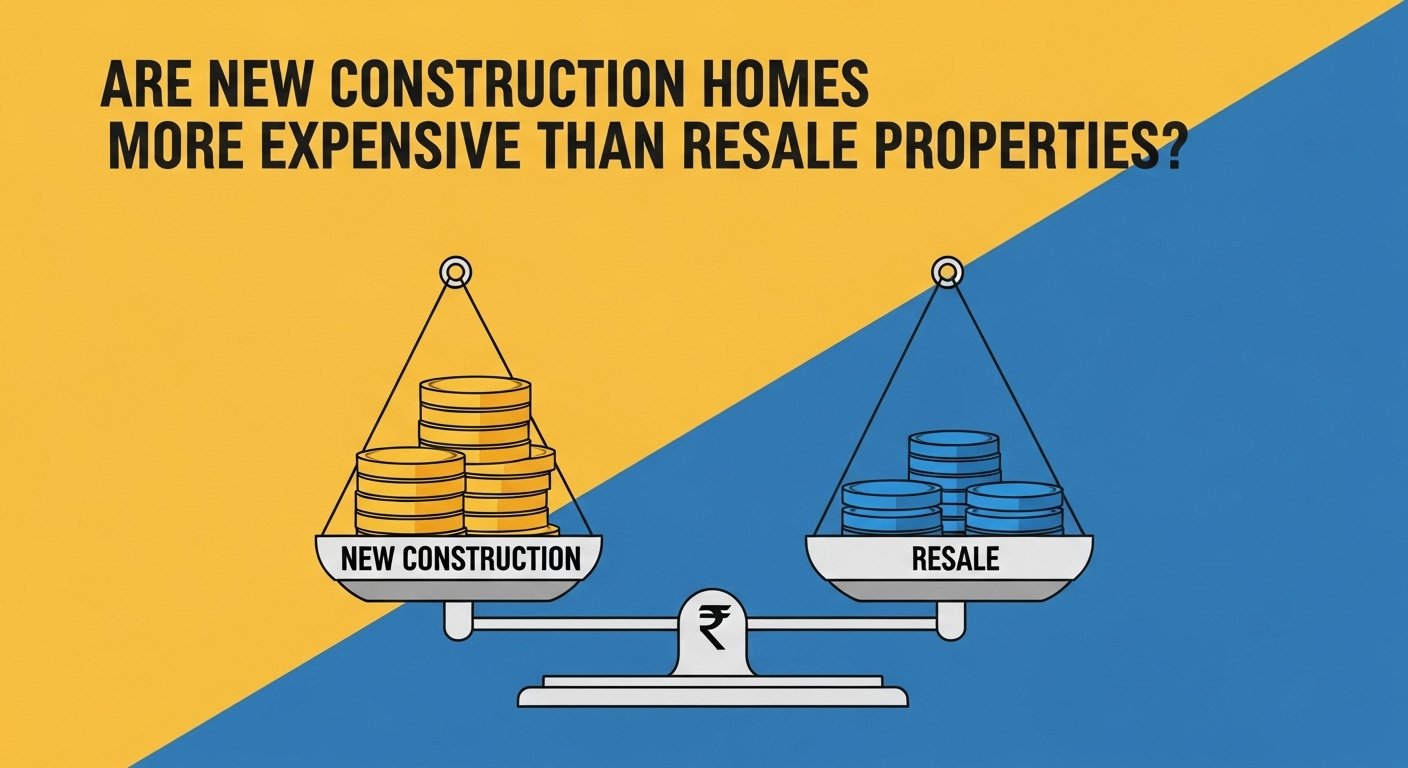
Are New Construction Homes More Expensive Than Resale Properties?

In the real estate market, one of the common dilemmas faced by homebuyers is whether to invest in a new construction home or a resale property. Both options have their unique advantages and considerations, but the cost factor often plays a significant role in decision-making. In this article, we will explore the pricing dynamics of new construction homes versus resale properties, helping you make an informed choice for your next home purchase.

Introduction

Buying a home is a substantial financial decision, and it’s crucial to understand the financial implications associated with different types of properties. New construction homes are properties built from scratch, while resale properties are those that have been previously owned and occupied. While cost is just one aspect of the decision-making process, it is a crucial factor that influences buyers’ choices.

Understanding the Difference Between New Construction Homes and Resale Properties

Before delving into the cost factors, it’s essential to understand the fundamental differences between new construction homes and resale properties. New construction homes are built to the latest standards, often equipped with modern features and energy-efficient technologies. On the other hand, resale properties may vary in terms of age, condition, and features, depending on the previous owners’ maintenance and upgrades.

Factors Influencing the Cost of New Construction Homes

1. Location

The location of a new construction home plays a significant role in its price. Properties in high-demand areas or desirable neighborhoods may have a higher price tag due to the associated land and development costs.

2. Builder’s Reputation and Quality

Renowned builders with a track record of quality construction often charge a premium for their new homes. The reputation, craftsmanship, and attention to detail contribute to the overall cost.

3. Customization Options

New construction homes provide buyers with the opportunity to customize various aspects, such as finishes, layouts, and appliances. The extent of customization desired can impact the final price.

4. Upgrades and Modern Features

New construction homes often come with modern features and amenities, such as smart home technology, energy-efficient appliances, and advanced security systems. These upgrades can add to the overall cost.

Buy Resale Properties

Factors Influencing the Cost of Resale Properties

1. Age and Condition

The age and condition of a resale property are critical factors in determining its price. Well-maintained and recently renovated homes may command a higher price compared to properties in need of repairs or updates.

2. Location and Neighborhood

Similar to new construction homes, the location and desirability of the neighborhood influence the price of resale properties. Popular areas with good schools, amenities, and proximity to urban centers tend to have higher prices.

3. Market Demand

The prevailing market conditions, such as supply and demand dynamics, can impact the price of resale properties. In competitive markets with high demand, prices may be driven up.

4. Renovations and Upgrades

Resale properties that have undergone renovations or upgrades, such as kitchen remodeling or bathroom renovations, often have higher price points due to the added value and improved appeal.

Pros and Cons of New Construction Homes

Advantages

Customization and Modern Features

New construction homes offer the opportunity to tailor the design and layout according to individual preferences. Buyers can select finishes, colors, materials, and additional features that suit their taste and lifestyle.

Warranty and Reduced Maintenance

Most new construction homes come with warranties, protecting buyers against potential defects or structural issues. Additionally, since everything is new, maintenance requirements are generally lower in the early years.

Energy Efficiency

New homes are built with energy-efficient materials, appliances, and insulation, which can result in lower utility bills and a reduced environmental footprint.

Disadvantages

Higher Initial Costs

New construction homes often have higher price tags compared to resale properties due to the costs associated with land acquisition, development, and modern features.

Potential Delays and Inconveniences

Building a new home can be subject to construction delays, permit issues, and unexpected challenges. Buyers need to consider potential inconveniences and temporary living arrangements during the construction process.

Limited Established Community

New construction neighborhoods might lack the sense of community and established amenities that come with established neighborhoods. It takes time for a new community to develop its character and amenities.

Pros and Cons of Resale Properties

Advantages

Established Neighborhood

Resale properties are often located in well-established neighborhoods with mature trees, parks, and community amenities. The character and charm of older neighborhoods can be appealing to many homebuyers.

Lower Initial Costs

Compared to new construction homes, resale properties tend to have lower price points, providing an opportunity for buyers to enter desirable neighborhoods at a more affordable price.

Potential for Bargaining

Negotiation is more common in the resale market, giving buyers the chance to secure a better deal by leveraging market conditions, property condition, and the seller’s motivation.

Disadvantages

Higher Maintenance and Repair Costs

Resale properties may require more frequent maintenance and repairs compared to new construction homes, especially if the previous owners did not adequately maintain or update the property.

Limited Customization Options

Buyers of resale properties have limited opportunities for customization. They may need to compromise on certain features or undertake renovations to align the property with their preferences.

Potentially Outdated Features

Resale properties may have outdated design elements, appliances, or building systems. Upgrading or modernizing these features may require additional investment.

Factors to Consider When Choosing Between New Construction and Resale Properties

When deciding between new construction and resale properties, several factors should be taken into account.

1. Budget and Affordability

Consider your budget and affordability, including not just the purchase price but also potential maintenance costs, property taxes, and other ongoing expenses.

2. Timeline and Urgency

If you have a specific timeline or urgency to move into a new home, new construction homes may not be suitable due to potential construction delays. Resale properties generally have a quicker closing process.

3. Desired Features and Customization

Evaluate your desire for customization and specific features. If having control over the design and finishes is essential to you, a new construction home may be the better option.

4. Location and Neighborhood Preferences

Consider the importance of location and neighborhood amenities. Resale properties may offer the advantage of established communities with convenient access to schools, shopping, and recreational facilities.

Conclusion

Choosing between new construction homes and resale properties involves weighing various factors, with cost being a crucial consideration. While new construction homes often come with a higher price tag due to customization options, modern features, and warranties, resale properties offer the advantages of established neighborhoods and potentially lower initial costs. Ultimately, the decision should align with your budget, preferences, and long-term goals.

FAQs

  1. Are new construction homes always more expensive than resale properties?
    • New construction homes tend to have higher price points due to factors like customization options and modern features. However, the price comparison can vary depending on location and market conditions.
  2. Do new construction homes hold their value better than resale properties?
    • Both new construction homes and resale properties can hold their value well. Factors like location, market trends, and property maintenance play a significant role in determining value retention.
  3. Can I negotiate the price of a new construction home?
    • While negotiation is less common for new construction homes, it’s still worth discussing with the builder. Builders may be open to negotiating certain aspects, such as upgrades or closing costs.
  4. Are there any hidden costs associated with new construction homes?
    • It’s essential to consider potential additional costs beyond the purchase price, such as upgrades, landscaping, and HOA fees. Working closely with the builder and reviewing the contract can help uncover any hidden costs.
  5. Are resale properties more prone to maintenance issues?
    • Resale properties may require more frequent maintenance and repairs compared to new construction homes, especially if they are older or haven’t been well-maintained. Proper inspections and due diligence can help identify potential issues.


Share:

More Posts

Enhancing Health and Well-being: Vastu Remedies for Real Estate Properties

Introduction:In the pursuit of a balanced and harmonious lifestyle, the ancient Indian science of Vastu Shastra offers valuable insights. Beyond mere architectural principles, Vastu emphasizes the connection between the built environment and human well-being. In this blog, we explore how Vastu remedies can be applied to real estate properties to promote health and overall wellness. Understanding Vastu Shastra: Brief overview of Vastu Shastra and its significance in real estate.Basic principles of Vastu relevant to health and well-being. Importance of Health-Conscious Real Estate: Impact of the built environment on physical and mental health.Rising demand for Vastu-compliant properties among health-conscious individuals. Identifying Health-related Vastu Issues: Common Vastu defects that may affect health and well-being in properties.Signs indicating Vastu disharmony in real estate spaces. Vastu Remedies for Health and Wellness: Positioning of key rooms (bedrooms, kitchen, and bathrooms) for optimal health.Selection of colors, materials, and décor to enhance well-being.Importance of natural light and ventilation in promoting good health. Balancing Energy Flow: Creating a balanced energy flow (Prana) through Vastu-based design principles.Placement of plants, water features, and mirrors to improve energy circulation. Vastu Tips for Bedrooms: Ideal bedroom layout and orientation for restful sleep and rejuvenation.Avoiding Vastu pitfalls in bedroom design to prevent health issues. Kitchen Vastu for Health: Vastu-compliant kitchen design to promote physical health and nutritional well-being.Placement of cooking appliances and storage areas for a harmonious kitchen environment. Healing Spaces: Vastu for Home Offices and Meditation Rooms: Vastu guidelines for creating conducive environments for work and meditation.Incorporating natural elements and Vastu symbols for stress reduction and mental clarity. Addressing Structural Vastu Defects: Remedies for correcting structural Vastu defects that impact health.Consultation with Vastu experts for personalized solutions. Harmonizing Indoor and Outdoor Spaces: Integration of Vastu principles in landscaping and outdoor design for overall well-being.Balancing indoor-outdoor connections to promote a sense of harmony and vitality. Conclusion:By embracing the principles of Vastu Shastra, real estate properties can become sanctuaries that nurture health, happiness, and holistic well-being. Whether designing a new space or revitalizing an existing one, incorporating Vastu remedies can create environments that support the physical, mental, and spiritual health of occupants. Let’s embark on this journey to create spaces that not only shelter us but also nourish our bodies, minds, and souls.

Creating Vacation Retreats: Vastu Shastra Tips for Buying Vacation Homes

Introduction:Dreaming of owning a vacation home where you can escape the hustle and bustle of daily life and rejuvenate your senses? Incorporating Vastu Shastra principles into your vacation home buying process can enhance the tranquility and relaxation of your retreat. In this blog, we delve into how Vastu Shastra can guide you in selecting and designing a vacation home that becomes your serene sanctuary. Understanding the Essence of Vastu Shastra: Overview of Vastu Shastra and its relevance in real estate.Introduction to Vastu principles that contribute to harmony and well-being. Importance of Vastu in Vacation Home Selection: Exploring the significance of Vastu compliance in vacation home buying decisions.Benefits of aligning the vacation home’s energy with natural surroundings. Location Selection and Orientation: Choosing a Vastu-compliant location for your vacation home amidst scenic beauty.Optimal orientation of the property to harness positive energies and maximize relaxation. Designing Relaxing Interiors: Incorporating Vastu-friendly interior design elements for a calming ambiance.Selecting soothing colors, textures, and furnishings to promote relaxation. Harmonizing Living Spaces: Vastu tips for layout and placement of living areas to encourage harmony and tranquility.Creating seamless indoor-outdoor connections for a closer bond with nature. Vastu Remedies for Ensuring Peaceful Sleep: Designing bedrooms in alignment with Vastu principles for restful sleep and rejuvenation.Placement of beds, furniture, and décor to promote relaxation and well-being. Kitchen and Dining Area Alignment: Applying Vastu guidelines to the kitchen and dining spaces for nourishment and harmony.Ensuring proper placement of cooking appliances and dining furniture for positive energy flow. Outdoor Retreat Spaces: Designing outdoor areas such as gardens, patios, and decks in accordance with Vastu principles.Creating tranquil outdoor retreats for relaxation, meditation, and connecting with nature. Incorporating Vastu Symbols and Elements: Introducing Vastu symbols, such as yantras and sculptures, to enhance positive energy flow.Utilizing natural elements like water features and greenery to promote serenity. Consultation with Vastu Experts: Importance of consulting Vastu experts during the vacation home buying process.Customizing Vastu recommendations to suit individual preferences and requirements. Conclusion:By integrating Vastu Shastra principles into the process of buying and designing vacation homes, you can create tranquil retreats that nurture your mind, body, and soul. Whether nestled in the mountains, by the sea, or amidst lush landscapes, your Vastu-compliant vacation home will serve as a sanctuary where you can unwind, recharge, and reconnect with yourself and nature. Embrace the wisdom of Vastu Shastra and embark on a journey to create your perfect oasis of relaxation and rejuvenation.

Energize Your Space: Vastu Tips for Enhancing Energy Flow Interiors

Introduction:Creating a harmonious and vibrant living or working environment goes beyond mere aesthetics; it involves optimizing the flow of energy within the space. Vastu Shastra, an ancient Indian science, offers valuable guidelines for enhancing energy flow in real estate interiors. In this blog, we’ll explore practical Vastu tips that can help you create spaces that resonate with positive energy and vitality. Understanding the Importance of Energy Flow: Introduction to Vastu’s perspective on energy flow within built environments.Significance of balanced energy (Prana) for promoting well-being and success. Clearing Clutter and Opening Pathways: Decluttering spaces to remove obstacles and allow energy to flow freely.Ensuring clear pathways and unobstructed movement within rooms. Optimal Furniture Placement: Positioning furniture in alignment with Vastu principles to facilitate energy flow.Avoiding blocking energy pathways with bulky furniture pieces. Balancing Elements: Incorporating a balance of the five elements (earth, water, fire, air, and space) in interior design.Using materials and décor items that represent each element to create harmony. Enhancing Natural Light and Ventilation: Maximizing natural light and ventilation to invigorate spaces with positive energy.Choosing window treatments that allow ample sunlight and fresh air to enter. Color Psychology in Vastu: Selecting colors based on Vastu principles to evoke specific energies and emotions.Harnessing the psychological effects of colors to create a balanced and uplifting atmosphere. Harmonizing Bedroom Energy: Applying Vastu guidelines to bedroom design for promoting restful sleep and rejuvenation.Placing the bed and other furniture in alignment with positive energy flow. Optimizing Kitchen and Bathroom Layouts: Vastu-compliant design tips for kitchens and bathrooms to enhance energy flow.Positioning cooking appliances and bathroom fixtures to prevent energy stagnation. Sacred Spaces and Altars: Creating sacred spaces or altars within the home to amplify positive vibrations.Utilizing Vastu symbols, yantras, or religious artifacts to energize these spaces. Regular Energy Cleansing Practices: Implementing regular energy cleansing rituals, such as smudging or sound cleansing.Maintaining a harmonious energy balance through meditation, prayer, or mindfulness practices. Conclusion:By incorporating these Vastu tips into your real estate interiors, you can optimize energy flow and create spaces that uplift and inspire. Whether it’s your home, office, or any other real estate property, aligning with the principles of Vastu Shastra can enhance the vitality and positivity of the environment. Embrace these guidelines and embark on a journey to energize your space for greater well-being and success.

Aligning Success: Vastu Shastra for Real Estate Agents

Introduction:In the competitive world of real estate, success often hinges not just on market knowledge and negotiation skills but also on the energy of the spaces where transactions take place. Vastu Shastra, an ancient Indian science, offers powerful insights into harmonizing environments to attract prosperity and success. In this detailed blog, we’ll explore how real estate agents can leverage Vastu principles to enhance their professional success and create positive energy in their workspaces. Understanding Vastu Shastra for Real Estate: Brief overview of Vastu Shastra and its relevance in real estate.Introduction to key Vastu principles applicable to real estate agents’ workspaces. Setting the Stage: Vastu-Compliant Office Spaces: Importance of choosing a Vastu-compliant office location for real estate agencies.Optimal office layout and orientation based on Vastu principles for positive energy flow. Enhancing Productivity with Vastu: Vastu-friendly workspace design to promote productivity and efficiency.Placement of desks, chairs, and other office furniture to align with positive energy channels. Attracting Prosperity: Vastu Tips for Reception Areas: Designing welcoming and energetically vibrant reception areas using Vastu principles.Incorporating auspicious symbols and elements to attract success and prosperity. Commanding Presence: Vastu for Conference and Meeting Rooms: Vastu guidelines for conference and meeting room layouts to empower negotiations and deal-making.Ensuring optimal seating arrangements and directional orientation for positive outcomes. Personal Success Zones: Vastu for Individual Workstations: Creating conducive workstations for real estate agents based on Vastu recommendations.Positioning desks, chairs, and electronic devices to enhance focus and productivity. Inviting Abundance: Vastu Remedies for Sales Offices: Implementing Vastu remedies to overcome obstacles and enhance sales performance.Activation of prosperity zones within sales offices to attract lucrative deals and opportunities. Harnessing Positive Energy: Vastu Symbols and Décor: Incorporating Vastu symbols and elements, such as yantras and crystals, to amplify positive energy.Utilizing artwork, plants, and color schemes in accordance with Vastu principles for vibrancy. Real Estate Marketing Materials: Vastu-Conscious Branding: Applying Vastu principles to real estate branding, marketing materials, and signage.Choosing fonts, colors, and imagery that align with positive energy vibrations. Personal Well-being: Vastu for Agents’ Personal Spaces: Extending Vastu principles to real estate agents’ personal living spaces for overall well-being.Creating harmonious environments at home to support work-life balance and mental clarity. Conclusion:By integrating Vastu Shastra principles into their workspaces and personal lives, real estate agents can align themselves with positive energy and enhance their professional success. Whether it’s optimizing office layouts, incorporating Vastu symbols, or fostering a balanced work-life environment, embracing Vastu can empower agents to thrive in the competitive real estate industry. Embrace these Vastu tips and embark on a journey to elevate your success as a real estate professional.